
Understanding Iboga and Ibogaine
Dive into the details of Iboga and Ibogaine therapy. From their origins and effects to their unique anti-addictive properties, this section covers everything you need to know about these powerful plant-based treatments and how they work to support healing and recovery.
Understanding Iboga and Ibogaine: A Radical Path to Recovery
In the landscape of addiction treatment, few substances spark as much intrigue—and controversy—as Iboga. While conventional rehabilitation often focuses on managing withdrawal symptoms through substitute medications, Iboga offers a paradigm shift. It is frequently described not just as a treatment, but as a “reset button” for the human brain.
Origins: From Sacred Ritual to Modern Medicine
The story of Iboga begins in the rainforests of Central Africa, specifically within the Bwiti spiritual traditions of Gabon and Cameroon.
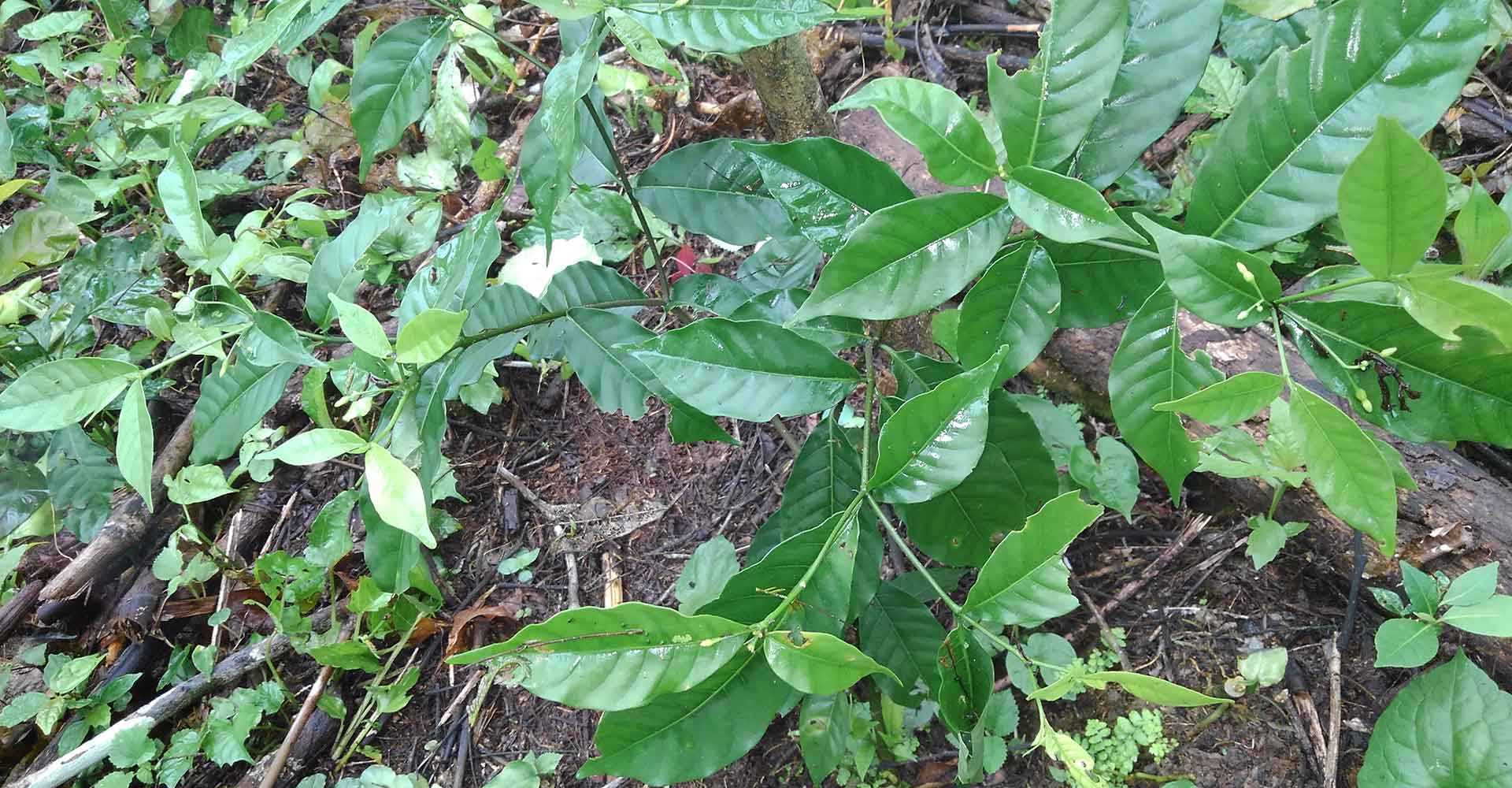
The Source: Iboga refers to the Tabernanthe iboga shrub. The medicinal power lies within the yellow root bark.
Traditional Use: For centuries, it has been used in rites of passage and healing ceremonies to induce profound spiritual insights.
The Transition: In the 1960s, Howard Lotsof accidentally discovered that Ibogaine—the primary alkaloid found in the plant—could instantly interrupt heroin addiction without the agony of withdrawal.
Iboga vs. Ibogaine: What’s the Difference?
While the terms are often used interchangeably, there is a technical distinction:
| Feature | Iboga | Ibogaine |
| Form | Total root bark (contains multiple alkaloids). | A single, isolated alkaloid extracted from the bark. |
| Experience | Often described as more “earthy” and physically demanding. | Highly concentrated and precise for clinical settings. |
| Usage | Traditional ceremonies and holistic retreats. | Clinical detoxification and addiction research. |
The Anti-Addictive Power: How It Works
Ibogaine is unique because it addresses addiction on two distinct levels: the biological and the psychological.
1. The Neurochemical Reset
Addiction “hijacks” the brain’s reward system. Ibogaine works by metabolizing into noribogaine, which lingers in the system for weeks. It interacts with multiple receptors (opioid, NMDA, and sigma) to:
Eliminate Withdrawal: It effectively “blocks” withdrawal symptoms for many substances, including opioids, alcohol, and stimulants.
Reduce Cravings: It resets the dopamine pathways to a pre-addicted state, significantly lowering the urge to use.
2. The Visionary Journey
Unlike standard detox drugs, Ibogaine is a powerful “oneirogen” (dream-generator). Patients often experience a 24-to-36-hour “waking dream” state where they:
Revisit past traumas or the root causes of their addiction.
Gain a detached, objective perspective on their life choices.
Process emotional baggage that might take years to uncover in traditional talk therapy.
Success in Treating Diverse Addictions
While most famous for its success with opioid addiction, Iboga therapy has shown remarkable results across a broad spectrum of dependencies:
Stimulants: Effective in breaking the cycle of cocaine and methamphetamine use.
Alcohol: Helps quiet the “noise” of cravings and addresses the underlying depression often linked to alcoholism.
Psychological Dependencies: Increasingly used for nicotine and even behavioral addictions.
A Note on Safety: Despite its success, Ibogaine is not a “magic pill” without risks. It is physically taxing on the heart and requires professional medical supervision, including EKG monitoring and pre-screening for underlying conditions.
The Path to Healing and Recovery
Iboga therapy is often called “ten years of therapy in a single night.” However, its true power lies in the “window of opportunity” it creates. For 3 to 6 months post-treatment, the brain is in a highly plastic state—cravings are gone, and the mind is clear.
Success depends on what the patient does during this window. When combined with integration therapy, lifestyle changes, and support networks, Iboga has helped thousands of people move from the hopelessness of chronic relapse to a life of sustained sobriety. It doesn’t just treat the addiction; it offers a profound reconnection to the self.