Iboga and Ibogaine for Addiction Treatment
Iboga and its primary active compound, Ibogaine, have gained attention as alternative approaches in the treatment of substance use disorders. Derived from the root bark of Tabernanthe iboga, a plant native to Central Africa, Iboga has long been used in traditional spiritual practices. Today, Ibogaine is being explored for its potential to interrupt addiction patterns and support recovery.
Unlike conventional treatments that often focus on managing symptoms, Ibogaine is known for its ability to act on both the physical and psychological aspects of addiction.
Addictions Commonly Treated with Ibogaine
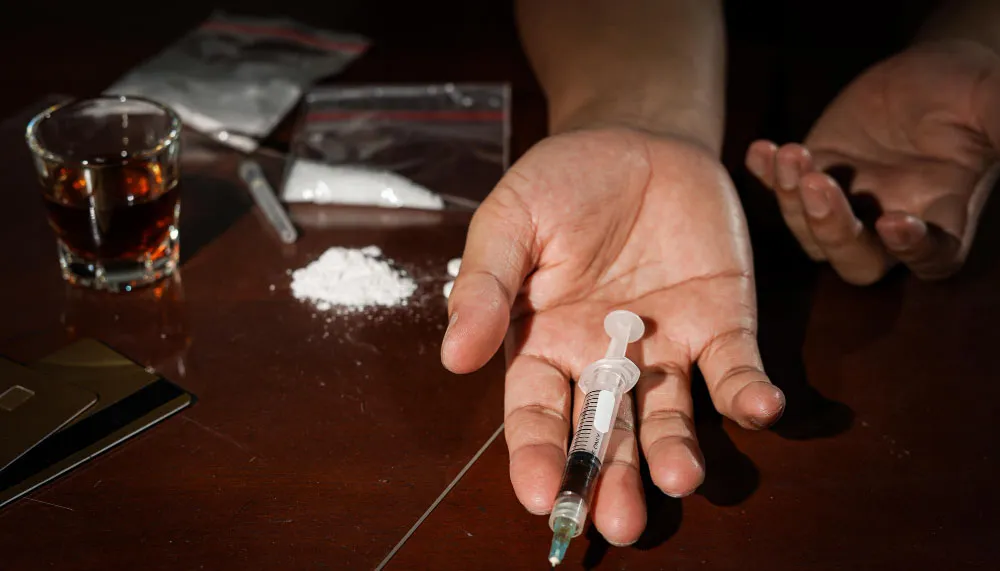
Ibogaine therapy has been explored for a range of substance dependencies, including:
1. Opioid Addiction
2. Alcohol Dependence
3. Stimulant Addiction
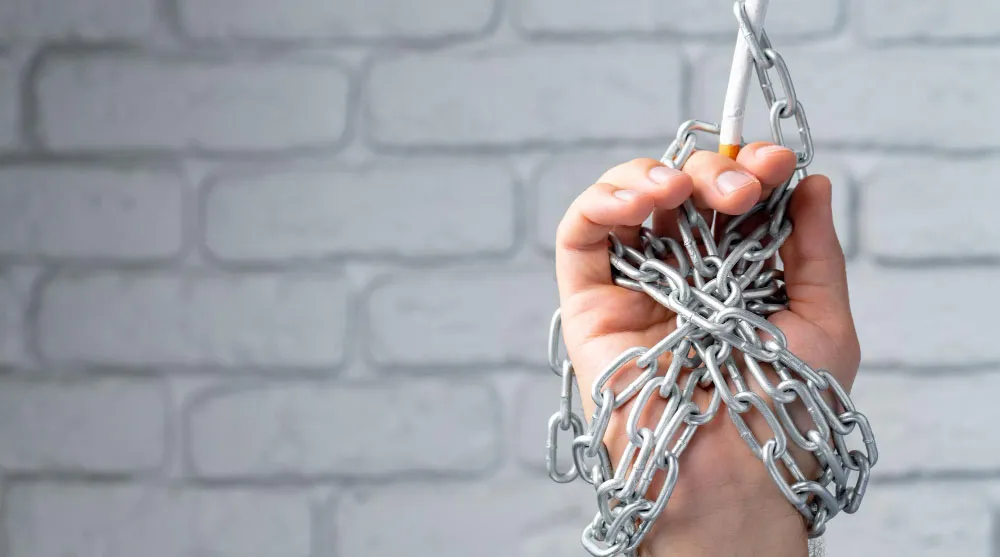
4. Nicotine Addiction
5. Other Substance Use Disorders
Methods Used in Iboga / Ibogaine Treatment
Ibogaine therapy is not a one-size-fits-all approach. It typically involves a structured process that combines medical, psychological, and supportive elements:
1. Medical Screening and Preparation
Before treatment, individuals undergo health evaluations to assess:
This step is critical for safety.
2. Detoxification Phase
In some cases, patients begin reducing or stopping substance use before treatment. For certain addictions (especially opioids), timing is carefully managed to avoid complications.
3. Ibogaine Administration
Ibogaine is administered in a controlled setting, often under medical supervision.
The experience can last 12–36 hours
Individuals typically enter a deep introspective state
Many report vivid memories, emotional processing, and self-reflection
This phase is often described as both physically intense and psychologically profound.
4. Acute Withdrawal Interruption
One of Ibogaine’s most notable effects is:
This creates a window of opportunity for recovery.
5. Integration and Aftercare
This is one of the most important stages.
After the experience, individuals work to:
Process insights gained during treatment
Build new habits and routines
Engage in therapy or counseling
Maintain long-term recovery strategies
Without proper integration, the benefits may not last.
How Ibogaine Works (Simplified)
Ibogaine interacts with several brain systems involved in addiction, including:
Dopamine (reward and pleasure)
Serotonin (mood regulation)
NMDA receptors (learning and memory)
This multi-system interaction is believed to:
Disrupt addictive patterns
Reset certain neural pathways
Promote psychological insight
Important Considerations
While promising, Ibogaine is not a guaranteed cure and comes with serious considerations:
It can have medical risks, especially related to the heart
It is not legal or approved in many countries
It should only be used under professional supervision
Long-term success depends heavily on aftercare and lifestyle changes
Conclusion
Iboga and Ibogaine represent a unique and evolving approach to addiction treatment—one that addresses both the physical dependency and the deeper psychological roots of substance use.
For some, it has been a powerful catalyst for change. However, it is not a standalone solution. Sustainable recovery still requires commitment, support systems, and ongoing personal work.