
Ibogaine Success Across All Types of Addictions

  • Home
  • Ibogaine Success Across All Types of Addictions

Origins: From Sacred Ritual to Modern Medicine

The story of Iboga begins in the rainforests of Central Africa, specifically within the Bwiti spiritual traditions of Gabon and Cameroon.

 
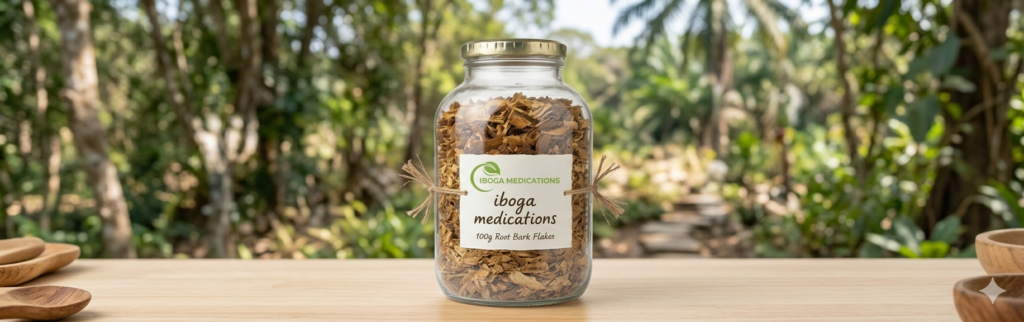
  • The Source: Iboga refers to the Tabernanthe iboga shrub. The medicinal power lies within the yellow root bark.

     
  • Traditional Use: For centuries, it has been used in rites of passage and healing ceremonies to induce profound spiritual insights and community bonding.

     
  • The Transition: In the 1960s, Howard Lotsof accidentally discovered that Ibogaine—the primary alkaloid found in the plant—could instantly interrupt heroin addiction without the agony of withdrawal.


Iboga vs. Ibogaine: What’s the Difference?

While the terms are often used interchangeably, there is a technical distinction in how they are used in therapy:

Feature Iboga Ibogaine
Form Total root bark (contains multiple alkaloids). A single, isolated alkaloid extracted from the bark.
Experience Often described as more “earthy” and physically demanding. Highly concentrated and precise for clinical settings.
Usage Traditional ceremonies and holistic retreats. Clinical detoxification and addiction research.

How Ibogaine “Cures” the Addicted Brain

The term “cure” is debated in medical circles, but Ibogaine’s success in treating thousands of patients stems from its ability to address addiction on two distinct levels: the biological and the psychological.

1. The Neurochemical Reset (The Biology)

Addiction “hijacks” the brain’s reward system, specifically the dopamine and opioid receptors. Ibogaine works by metabolizing into noribogaine, which lingers in the liver for weeks.

 
  • Neuroplasticity: It stimulates the production of GDNF (Glial Cell-Derived Neurotrophic Factor), which helps repair and “regrow” damaged neural pathways.

     
  • Receptor Reset: It returns neurotransmitter levels to a “pre-addicted” state, effectively muting the biological demand for the drug.

2. The Visionary Journey (The Psychology)

Unlike standard detox drugs, Ibogaine is a powerful “oneirogen” (dream-generator). Patients often experience a 24-to-36-hour “waking dream” state where they:

 
  • Process Trauma: Revisit past events that may have triggered the addiction.

  • Gain Perspective: View their lives with a detached, objective clarity, often described as “ten years of therapy in one night.”


Success Across All Types of Addictions

Ibogaine is not a specialized treatment for just one drug; its mechanism of action is broad-spectrum, making it effective for:

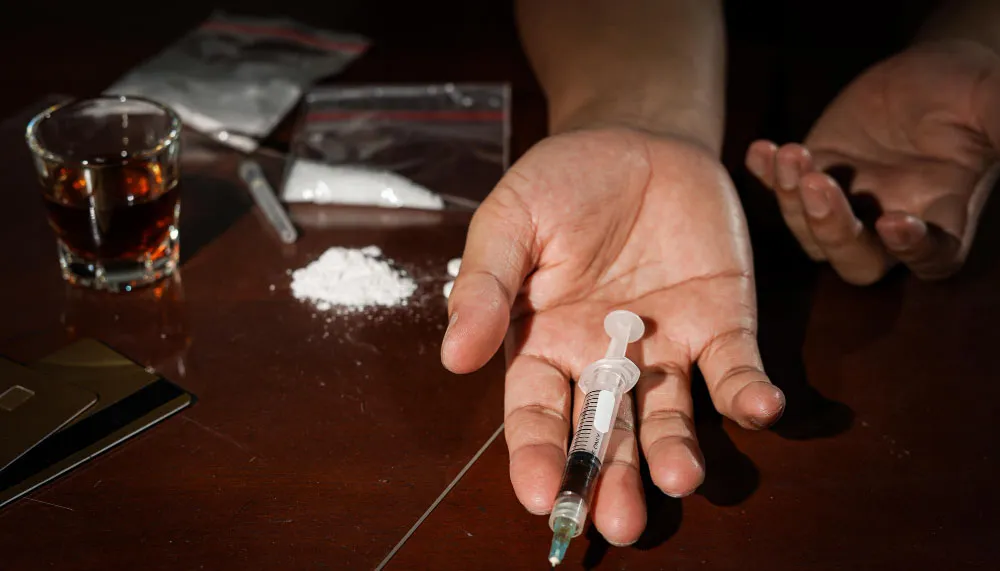
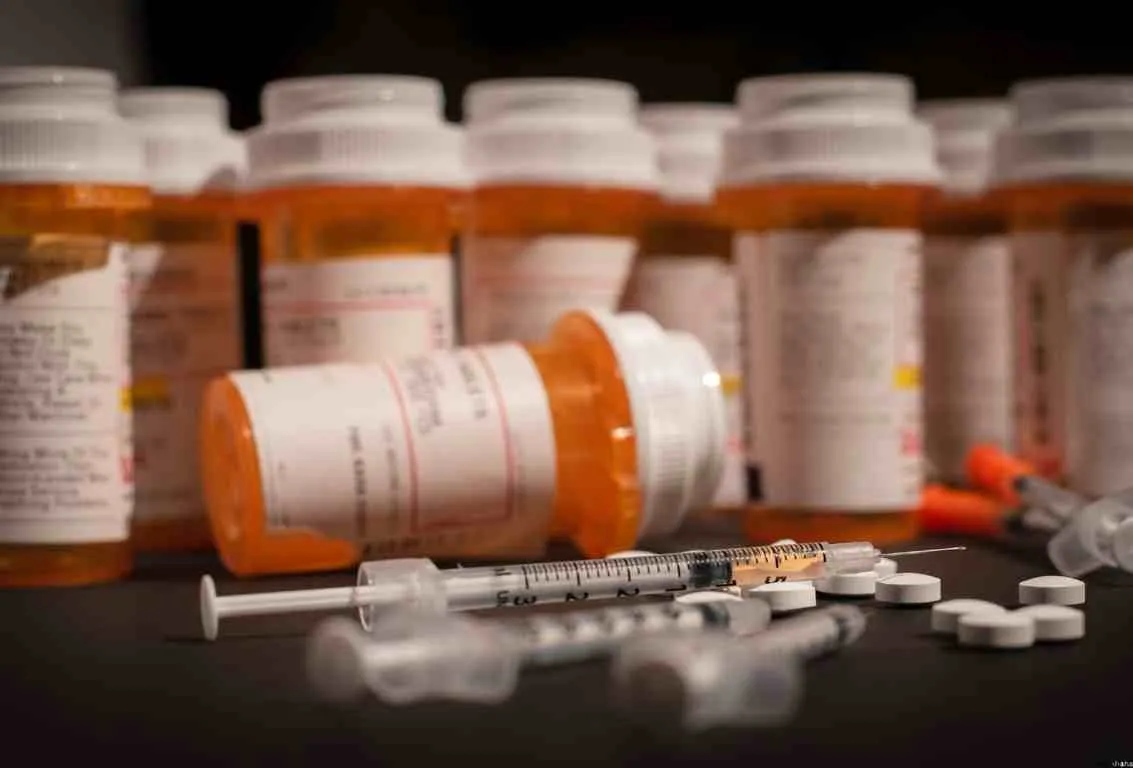
  • Opioids (Heroin, Fentanyl, OxyContin): It is most famous for its near-total elimination of acute withdrawal symptoms within hours.

     
  • Stimulants (Cocaine, Methamphetamine): It resets the dopamine system, which is often severely depleted in stimulant users, reducing the “anhedonia” (inability to feel pleasure) that leads to relapse.

  • Alcohol: It helps quiet the “noise” of cravings and addresses the underlying depression or anxiety often linked to alcoholism.

  • Nicotine & Prescription Drugs: Even behavioral addictions (like gambling) have seen success as the “reset” affects the brain’s overall reward-seeking behavior.


The Stages of Ibogaine Therapy

A typical professional Ibogaine therapy session involves three distinct phases:

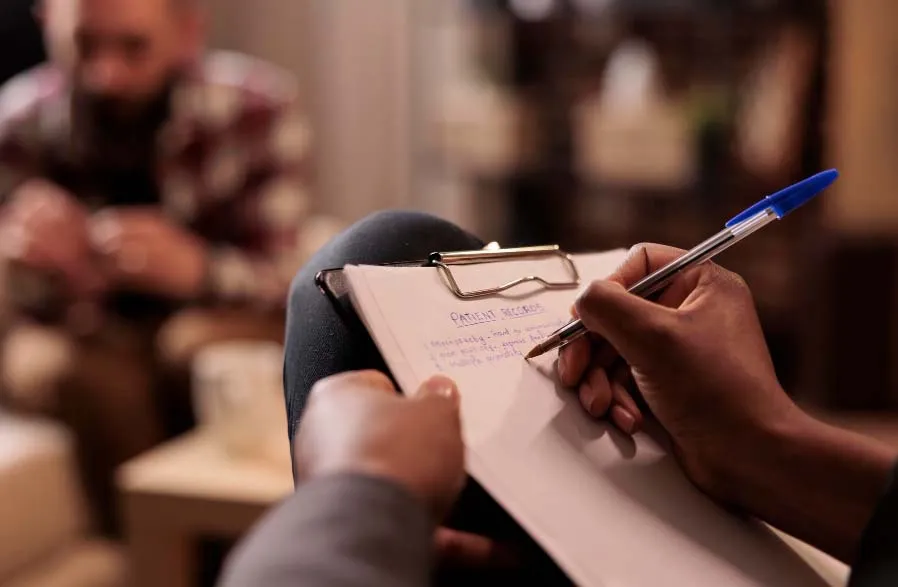
  1. Pre-Treatment (The Screening): Essential medical checks (EKG, blood tests) to ensure the heart and liver can handle the treatment.

     
  2. The Acute Phase (4–12 hours): The “visionary” stage. The patient is usually lying down, experiencing intense internal imagery and life reviews.

     
  3. The Reflective Phase (12–36 hours): The visions fade, but the patient remains in a highly introspective, “gray” state. This is where the profound realizations of the journey begin to take root.

  4. Integration (Post-Treatment): The critical window of the first 3–6 months where the brain is most “plastic.” This is when therapy and lifestyle changes are most effective at preventing long-term relapse.

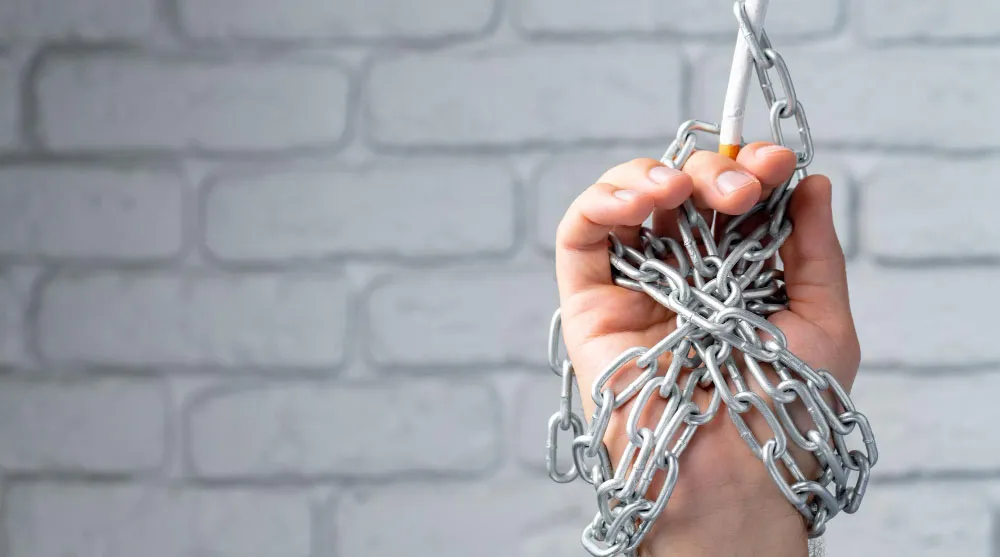
While it is not a “magic pill” that requires no further work from the patient, Ibogaine provides the physical and mental freedom necessary to start a new life, unburdened by the chains of chemical dependency.

Subscribe to Newletter

Get the latest posts delivered right to your email.

Ibogaine Therapy in Seattle: What You Need to Know

As the opioid crisis and other addiction-related issues continue to affect countless lives, alternative treatments like Ibogaine…

Ibogaine Treatment Center

Ibogaine Treatment in Canada Cost   Ibogaine therapy is gaining popularity in Canada for overcoming addiction. This potent psychoactive compound is utilized in specialized facilities to assist in overcoming addiction. In Canada, Ibogaine…

Sex Addiction Therapy in Dallas: A Look at the Best Centers and Programs

Sex addiction is a complex and deeply personal issue that affects not only individuals but also their…

Tips & Tricks to Quit Drinking Beer for Good

Have you ever found yourself drinking too much alcohol? Are you worried about your health, finances, or relationships?…

How to stop smoking weed: Step-by-Step Guides

I get it. You’re smoking weed, and you want to quit. Certainly, you are looking for how to…

The Impact of Porn Addiction on Mental Health and Relationships

Porn addiction is a growing concern in today’s digital age, affecting countless individuals across various demographics. Its…

Breaking the Spirit of Addiction and Reclaiming Your Life

Addiction is a powerful force that can take hold of a person’s life, robbing them of joy,…

Fentanyl Addiction Signs: How To Spot the Warning Symptoms

Fentanyl in recent years, has emerged as one of the most dangerous and addictive substances in the…

Top Addiction Therapists in Miami: Who to Turn to for Help

Addiction is a complex and life-altering condition that affects individuals and their loved ones on multiple levels.…

Could Ibogaine Be The Key To Ending Drug Addiction?

Ibogaine is a treatment potentially promising in the fight against drug abuse and addiction. Dr Deborah Mash…

No products in the cart.